
In today’s hyper-connected world, first impressions no longer happen in person — they happen online. Whether it’s through your website, social media profile, or online ads, your brand’s digital presence speaks volumes about who you are and what you represent. Online branding is the process of shaping and managing that perception — building a powerful, consistent, and memorable digital identity that connects with your audience.
As the digital landscape evolves rapidly in 2025, online branding has become more than just an option — it’s a necessity. Businesses that fail to establish a strong online brand struggle to stand out, no matter how great their products or services may be. Let’s explore how online branding works, why it matters, and how to build a digital identity that inspires trust and drives success.
What Is Online Branding?
Online branding, also known as digital branding, refers to creating and maintaining your brand’s image across digital platforms. It’s not just about having a logo or website — it’s about how your business is perceived in the digital world. It includes everything from your tone of communication to the visuals, colors, and even the kind of content you share.
A strong online brand helps people recognize and remember you. It gives your business a distinct personality that sets you apart from competitors. For instance, Apple’s online branding focuses on simplicity, innovation, and quality, while Nike’s emphasizes energy, motivation, and empowerment. Both companies have built emotional connections with their audiences — and that’s what great online branding does.
Ultimately, online branding is about telling your story in a way that aligns with your values and resonates with your target audience. It helps create trust, loyalty, and recognition, which are essential in today’s competitive marketplace.
Why Online Branding Is Important
Online branding is the foundation of your digital presence. Without it, even the most effective marketing campaigns will fail to create long-term results. Here are some reasons why online branding is so important:
1. First Impressions Happen Online
When potential customers search for your business, the first thing they see is your website, social media page, or Google listing. A professional and consistent digital presence instantly builds trust, while a poor one can drive people away.
2. Creates Recognition and Recall
A strong online brand ensures people remember you. Through consistent visuals, messaging, and tone, you make your business instantly recognizable across platforms like Instagram, LinkedIn, or YouTube.
3. Builds Trust and Credibility
In the digital age, consumers are cautious. They prefer brands that look professional and reliable. A well-crafted online identity signals authenticity, quality, and expertise — all key factors in gaining customer confidence.
4. Supports SEO and Digital Marketing
Google rewards brands that have authority and consistency. When your brand is well-optimized with the right keywords and quality content, it naturally ranks higher in search results. Online branding and SEO go hand in hand in growing visibility.
5. Drives Emotional Connection
People buy based on emotion, not logic. When your online brand tells a story that resonates with your audience’s needs and aspirations, it creates a lasting emotional bond that keeps them coming back.
Core Elements of Online Branding
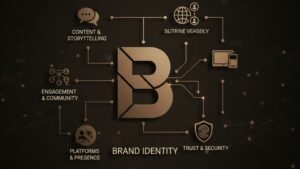
Creating a memorable online brand requires several interconnected elements. Each part plays a unique role in defining your business identity and shaping audience perception.
1. Brand Identity
Your brand identity includes your logo, colors, fonts, and visual design. These are the visual cues that instantly communicate your business personality. A minimalist design may represent modern professionalism, while bright colors and bold fonts can express creativity and energy.
2. Brand Voice and Tone
Your voice defines how your brand “speaks” online. Are you formal, friendly, humorous, or inspiring? A consistent tone across blogs, ads, and social media posts helps your audience connect emotionally. For example, a digital marketing agency might use an informative yet conversational tone to sound approachable but knowledgeable.
3. Brand Story
A strong brand story communicates your purpose and values. Why did you start your business? What problem are you solving? A well-crafted story turns your brand into something relatable, authentic, and memorable.
4. Online Presence
Your website, blog, and social media accounts form the backbone of your online presence. They should all be aligned visually and strategically to represent one unified brand message.
5. Content Strategy
Content is the voice of your brand. Blogs, videos, infographics, and posts are not just marketing tools — they’re opportunities to showcase your expertise and provide value. Consistent, high-quality content builds authority and attracts loyal followers.
How to Build a Strong Online Brand

Building a digital brand doesn’t happen overnight. It requires planning, consistency, and authenticity. Here’s a step-by-step guide to creating a powerful online identity:
1. Define Your Purpose and Audience
Before anything else, know who you are and who you’re serving. Your purpose should answer the “why” behind your brand. What drives your business? Who is your target audience? When your brand’s purpose aligns with audience needs, your marketing becomes more powerful and effective.
2. Create a Memorable Visual Identity
Invest in a professional logo, color palette, and typography that reflect your brand’s personality. These visuals should be used consistently across your website, emails, and social platforms. Tools like Canva or Adobe Express can help maintain consistency.
3. Build a Professional Website
Your website is your digital headquarters. It should be visually appealing, mobile-friendly, and optimized for SEO. Include your brand story, service pages, blog, and contact information clearly. A well-designed website builds trust and makes your brand appear legitimate.
4. Leverage Social Media Branding
Social media platforms are the best places to express your brand personality. Post consistently, engage with your audience, and use branded templates for posts and reels. Instagram and LinkedIn are ideal for visual storytelling, while Facebook and Twitter are perfect for community engagement.
5. Develop a Content Marketing Plan
Content marketing is the fuel that powers your online brand. Publish blogs, tutorials, and videos that solve audience problems or inspire action. For instance, if you’re a freelance digital marketer, you could create content around SEO tips, PPC advertising strategies, or online branding hacks.
6. Be Consistent Everywhere
Consistency builds recognition. Whether it’s your logo, tone, or social media style — keep everything aligned. When people see the same look and message across platforms, it reinforces trust and familiarity.
7. Optimize for SEO
Use relevant keywords like online branding, digital identity, brand strategy, and digital marketing in your content. Optimize your meta titles, descriptions, and blog headings to improve search visibility.
8. Encourage Customer Reviews and Testimonials
Positive feedback adds authenticity to your brand. Display testimonials on your website and encourage clients to share their experiences on Google or social media. Reviews boost credibility and influence buying decisions.
9. Monitor and Adapt
Online branding isn’t static. Use analytics tools like Google Analytics and SEMrush to track engagement and traffic. Understand what works and refine your strategy over time.
The Role of Technology in Modern Branding

In 2025, technology plays a central role in shaping digital brands. From AI-driven personalization to automation tools, technology helps brands create meaningful connections efficiently.
AI tools can help analyze user behavior and recommend personalized experiences. For instance, email automation tools like Mailchimp or ConvertKit tailor messages to different audience segments, improving engagement rates.
Social media management tools such as Buffer, Hootsuite, or Later allow brands to schedule posts, maintain consistency, and track performance easily.
Even chatbots enhance branding by providing instant, professional responses to customer queries, creating a seamless brand experience 24/7.
By leveraging technology wisely, brands can build stronger relationships, streamline marketing efforts, and stay relevant in an ever-changing digital world.
The Future of Online Branding
The future of online branding lies in authenticity, transparency, and personalization. Modern consumers are smarter — they can easily spot inauthentic or exaggerated marketing. They prefer genuine brands that share real stories, embrace diversity, and make social impact a part of their identity.
Personalized branding will continue to dominate. People want experiences that feel tailored to them — from customized ads to curated emails. Brands that use data responsibly to personalize interactions will stand out.
Furthermore, video content and short-form storytelling (like Instagram Reels and YouTube Shorts) will continue shaping how audiences engage with brands. Businesses that combine creativity, emotion, and innovation in their branding will thrive.
Sustainability, social responsibility, and inclusivity are also becoming powerful brand values. In 2025 and beyond, people will choose brands that align with their ethics and vision for a better world.
Conclusion: Your Brand Is Your Digital Identity
In the digital age, your online brand is your most valuable asset. It’s not just about having a logo or website — it’s about creating a consistent, authentic, and emotional connection with your audience.
Whether you’re a small business owner, freelancer, or marketing agency, online branding helps you build trust, increase visibility, and create lasting impressions. Every post, reply, and design choice adds up to your brand image — so make it count.
Remember, branding isn’t a one-time project; it’s an ongoing process of communication and growth. Keep learning, adapting, and listening to your audience. When your brand consistently reflects who you are and what you stand for, it becomes more than a business — it becomes a story people want to be part of.
In 2025 and beyond, the brands that win are those that remain human, honest, and unforgettable in the digital world.
SEO Keywords Used
online branding, digital identity, brand building, brand strategy 2025, online presence, digital marketing, branding for business, SEO branding, brand awareness, online reputation, content marketing, social media branding, digital visibility
Author: Hanna
Hi, this is a comment.
To get started with moderating, editing, and deleting comments, please visit the Comments screen in the dashboard.
Commenter avatars come from Gravatar.